
Wild Green Details Meet the Candle’s Warm Glow

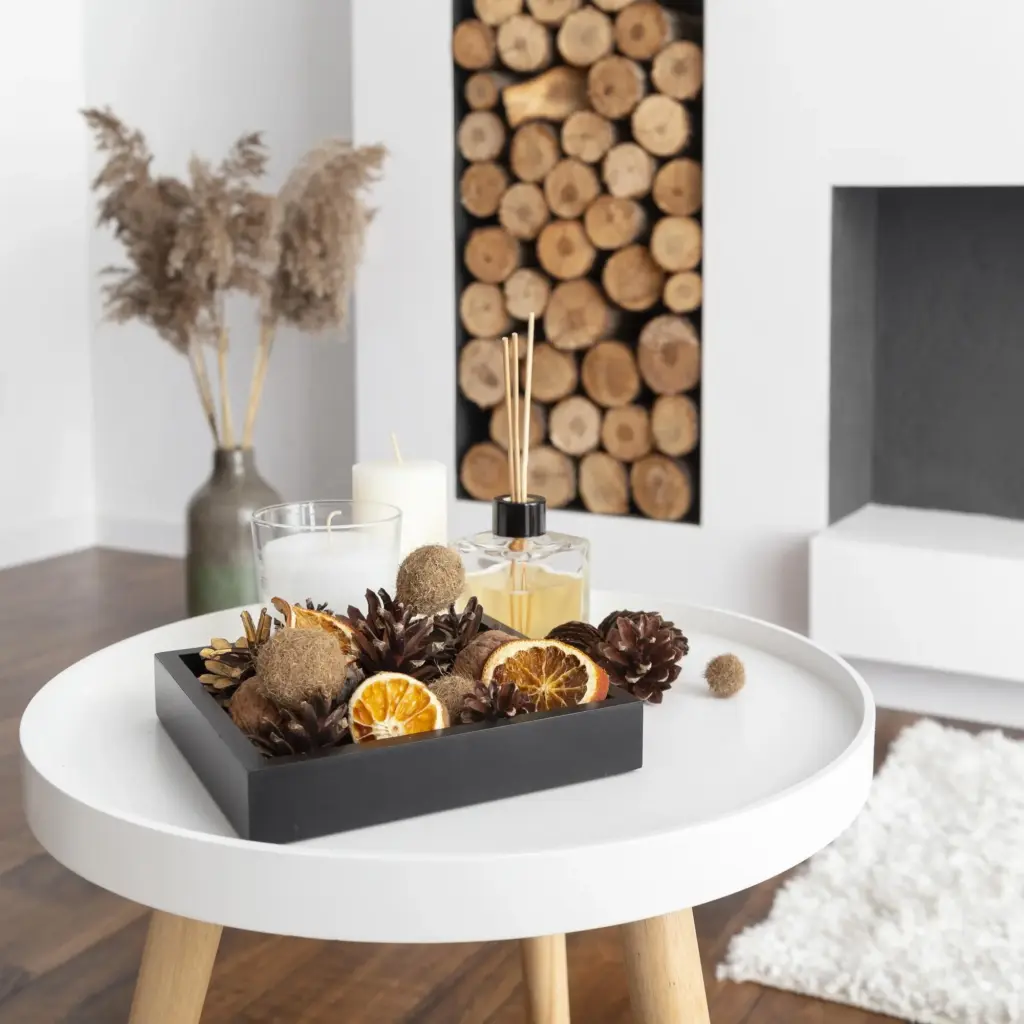
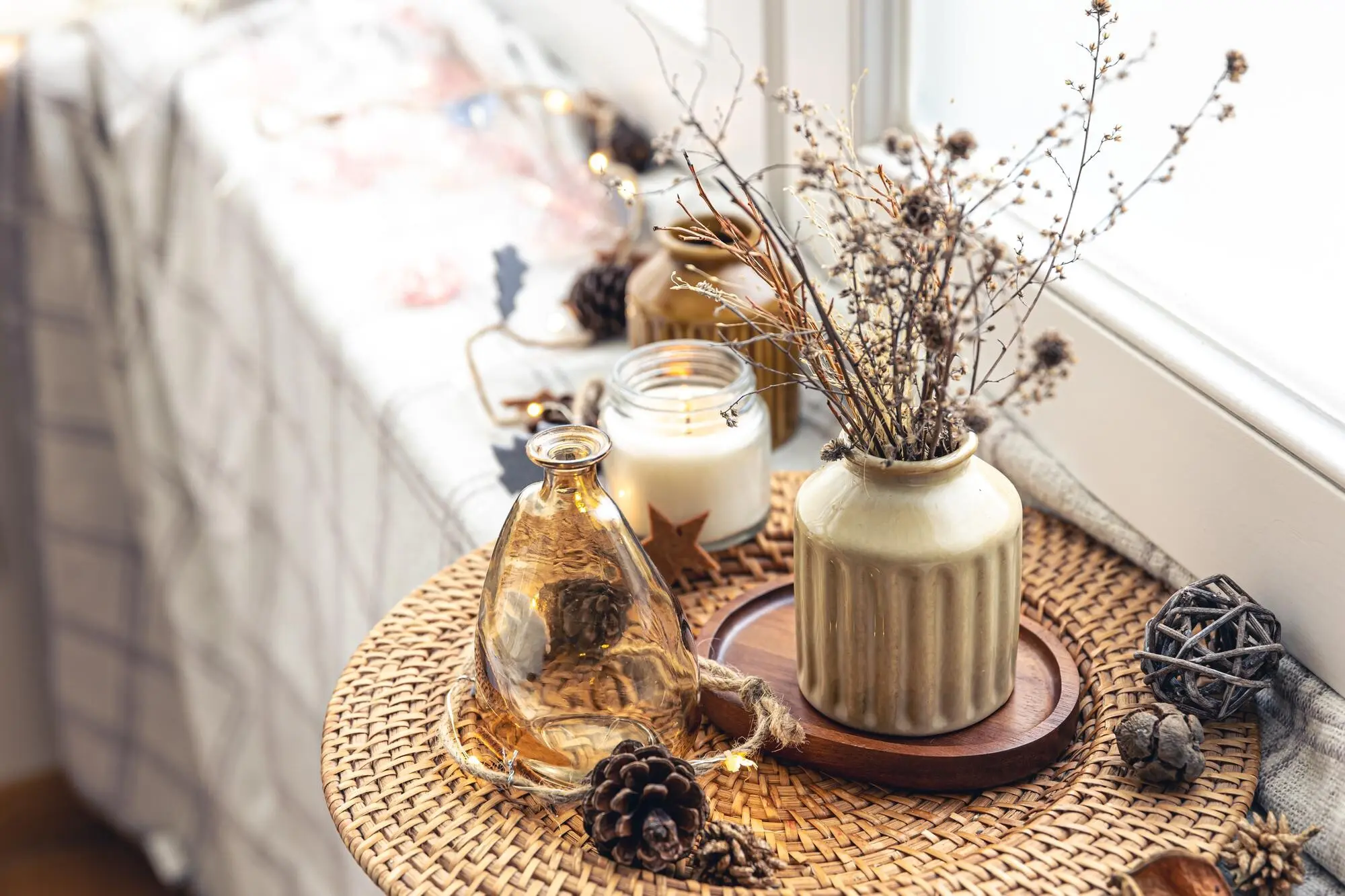
Step into a tactile world where botanical accents and natural textures elevate handmade candle arrangements. We’ll explore responsible sourcing, design principles, scent synergy, and safety, so your centerpieces feel alive, last longer, and invite conversations. Today’s focus celebrates leaves, grain, bark, stone, and the flame’s quiet heart.

Gathering Greens and Textures with Purpose

Before the first wick is lit, consider how leaves, pods, grasses, bark, linen, and stone will behave near warmth, humidity, and time. Responsible choices reduce waste and deepen meaning. Learn where to source, what to gather, and how to prepare materials so their textures enrich the glow without risk or clutter.

Ethical Foraging and Seasonality

Walk gently, taking only what is abundant and never from protected habitats. Follow local guidelines, avoid pesticides, and respect seasonal rhythms that determine color, durability, and scent. A short dawn walk can yield seed heads and grasses that dry beautifully and tell the exact story of your place.

Choosing Dried over Fresh for Safety

Fresh sprigs look vivid, yet moisture near flame invites smoke, sputter, and mold. Choose thoroughly dried botanicals, keep clear margins around heat, and place accents on holders, rings, or trays. The candle remains the hero light, while nature frames it safely with character and quiet detail.

Texture Library: From Rattan to Pressed Ferns

Build a tactile palette you can reach for instantly. Rattan, cork, jute, linen ribbon, pressed fern, lichen, driftwood, slate coasters, and unglazed clay each add unique sheen, density, and sound. Mixing soft fibers with sturdy mineral edges creates contrast that photographs beautifully and endures repeated gatherings.

Design Principles That Let Nature Lead

Great arrangements feel effortless because structure holds them quietly. Balance scale between vessel, flame height, and surrounding textures, keeping negative space for breath and light spill. Let irregular stems dictate movement, guiding the eye in gentle arcs that echo wind patterns, rivers, and paths remembered from childhood walks.

Rule of Thirds around the Flame

Imagine the wick sitting on an invisible grid where intersections guide clusters of moss, pods, and ribbon tails. Off-centering the brightest accent leaves room for shadow play. This simple guideline prevents crowding, keeps heat paths clear, and gives photographs depth that flat, centered layouts often lose.

Contrast: Matte Leaves and Glass Shine

Place velvety sage against gleaming glass or polished brass to make both surfaces sing. The flame’s shimmer sharpens matte edges, while dull textures soften reflective glare. Contrast in finish, temperature, and scale creates tension that reads intentional, even when materials are humble, salvaged, or quietly imperfect.

Movement and Flow with Vines and Grain

Lines guide the story. Twine a vine so it gestures toward the match, let wood grain point to the pour spout, and angle seed sprays like fireworks. When viewers trace these flows, they relax, noticing glow, scent, and small botanical fingerprints with fuller attention.

Craft Techniques for Long-Lasting Arrangements

Durability matters when gatherings stretch, photos run long, and seasons shift. Thoughtful techniques keep delicate pieces pristine and far from flame. Choose compatible adhesives, prepare surfaces, and build in ways that let you refresh parts without tearing fibers, scuffing vessels, or shedding petals across the table.

Heat-Safe Attachment Methods

Skip hot glue near wax or flame; use removable floral adhesive, discreet wire, or natural twine secured to bases, not containers. Maintain at least two inches of clearance around the wick, trim to a quarter inch, and test-burn, observing drafts, melt pool reach, and how accents respond.

Sealing and Preserving Botanicals

Air-dry flowers upside down, press leaves between uncoated paper, or desiccate blooms in silica for truer color. Seal with archival sprays or thin beeswax brushing to reduce shedding and UV fade. Labeled batches help you recall which pieces survived heat, light, and handling most gracefully.

Modular Bases You Can Refresh

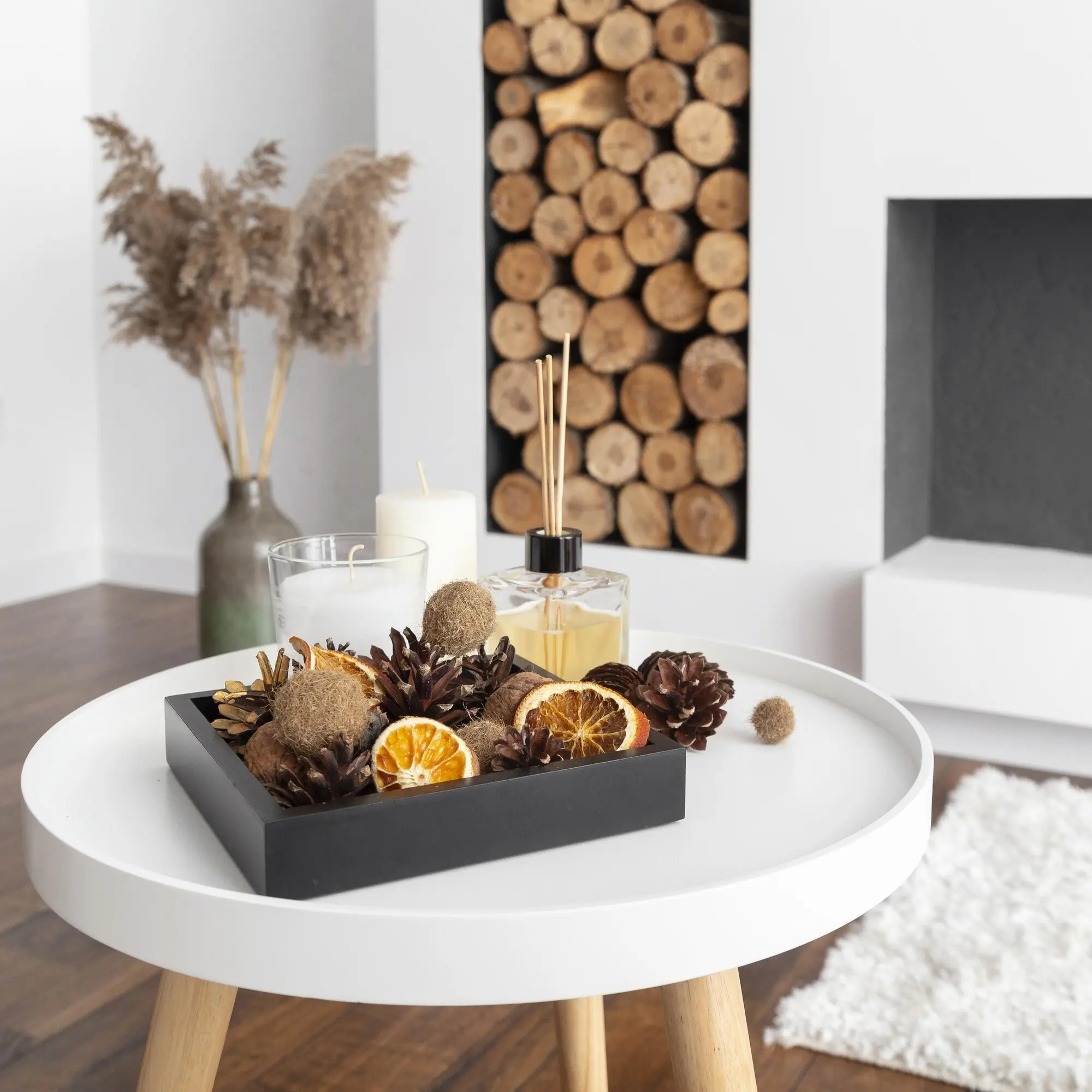
Design on trays, shallow bowls, or wooden rounds lined with cork, building removable clusters you can rotate between dinners. Swap a dried citrus chain for pinecones as seasons change, keeping your favorite vessel constant. This flexibility invites experimentation, cleaning ease, and less waste over a creative year.

Scent Pairing with Natural Materials

Scent completes the visual story, carrying texture into the air. Consider how rosemary, cedar, lavender, or dried citrus peel interact with soy, beeswax, or coconut blends. Calibrate intensity so fragrance enhances conversation, never overwhelms supper, and anchors memories that beckon guests back again.

Story, Ritual, and Gifting

Meaning multiplies when arrangements carry narrative, ritual, and care. Use textures to signal seasons or milestones, choose palettes that honor hosts, and craft keepsakes that outlive the evening. Packaging, wording, and tiny gestures transform a candle grouping into a generous, remembered offering guests will treasure.

Care, Safety, and Seasonal Refresh

Beauty lasts when care is rhythmic and simple. Learn practices that keep flames steady, surfaces clean, and botanicals crisp between uses. Seasonal refreshes encourage play, while safety habits protect homes and hearts. Share your wins and questions so our community grows wiser and braver together.
Burn on heat-resistant trays, clear twelve inches above the flame, and keep botanicals outside the container’s diameter. Never leave candles unattended, and keep away from drafts, curtains, and curious paws. These habits preserve both artistry and safety, letting conversations relax without constant, anxious glances.
After dinner, let wax cool, then lift clusters, brush dust with a soft paintbrush, and blot rings with linen. Rotate materials with the weather, welcoming new color stories. Share photos of your refresh to inspire others, and note what withstood heat, humidity, and eager fingers.
Zeramoriravozuno
Privacy Overview

This website uses cookies so that we can provide you with the best user experience possible. Cookie information is stored in your browser and performs functions such as recognising you when you return to our website and helping our team to understand which sections of the website you find most interesting and useful.