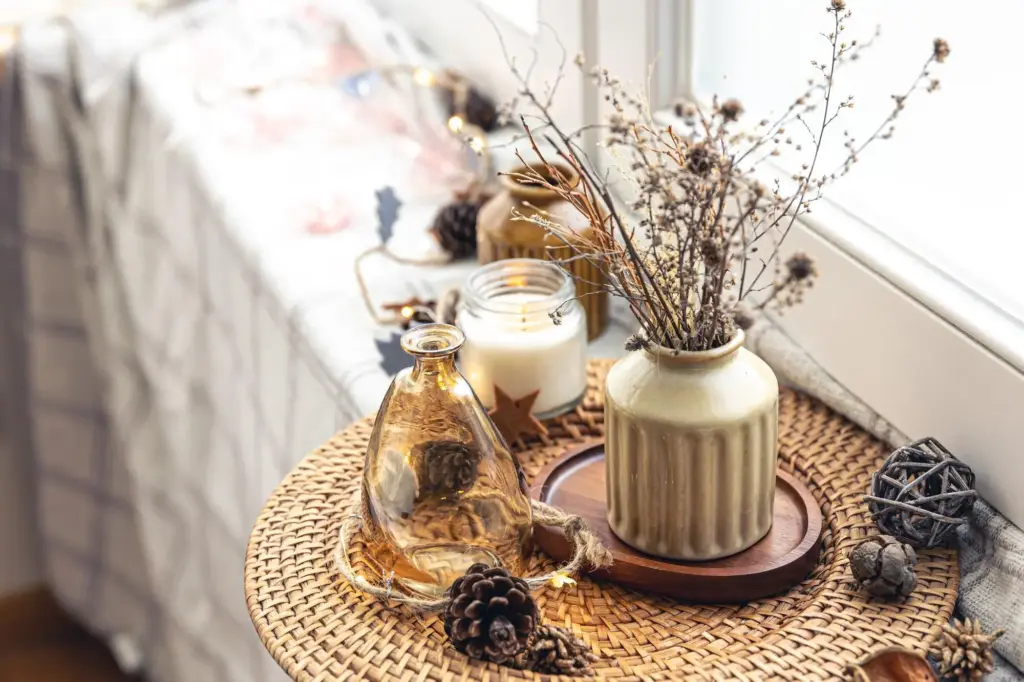
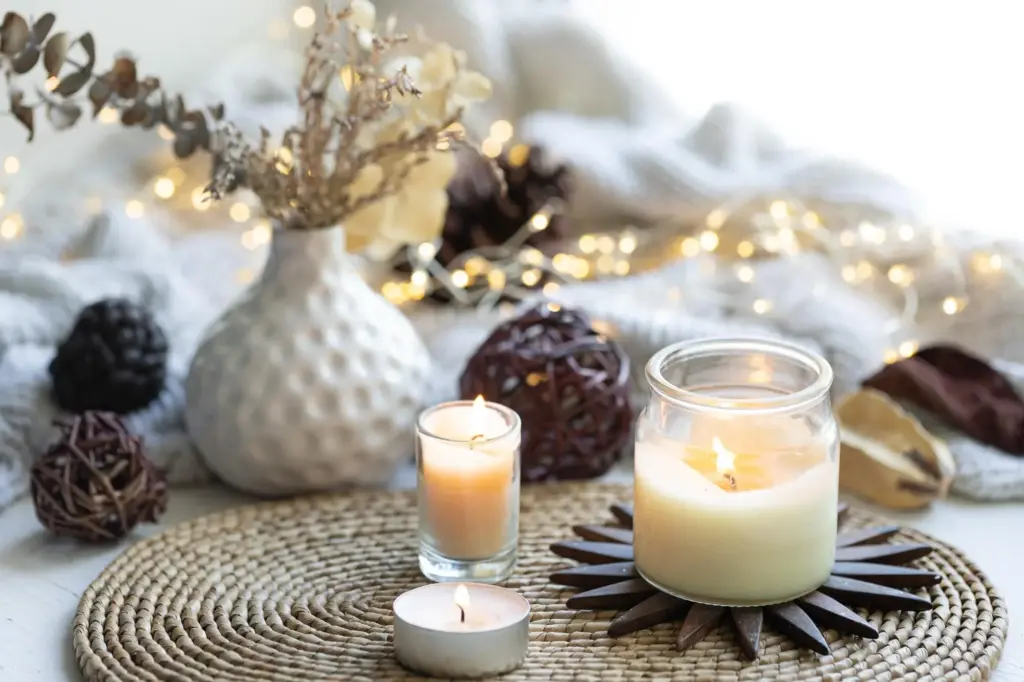
Fire‑Smart Beauty: Designing Heat‑Safe Decorative Candle Scenes

Join us as we explore heat‑safe layouts and fire‑smart practices for decorative scenes with handmade candles, blending artistry with proven precautions. Learn spacing, surface choices, airflow awareness, and care routines that protect furniture and guests while honoring craftsmanship, fragrance, and glow. Expect practical checklists, vivid examples, and memorable stories that help every arrangement stay stunning, steady, and confidently supervised.

Understanding Heat, Surfaces, and Protective Foundations

Every flame radiates, conducts, and convects heat, so the base beneath your handmade candles matters as much as the wax itself. Favor glazed ceramic, stone, or thick metal trays, add discreet risers for ventilation, and avoid plastics, thin wood, or delicate varnishes. Test unfamiliar surfaces with short burns, watch for warmth creeping outward, and place a visible boundary that reminds guests, pets, and sleeves to keep a respectful distance.

Layout Geometry for Calm Flames and Confident Hosts

Thoughtful geometry guides both elegance and safety. Group odd numbers for visual rhythm, but stagger heights so no flame overheats another’s shoulder. Maintain pathways for hands to reach wicks and snuffers, and plan sightlines that allow quick supervision from doorways. Sketch placements, then test‑burn briefly before welcoming guests.

Clusters That Breathe

Imagine each candle wearing an invisible heat halo. Overlap those halos too much and wax overheats or glass stresses. Give halos space: three to five inches laterally, plus air lanes between groups. You will notice calmer flames, truer scent release, and less sooting on nearby decor.

Heights, Risers, and Shadow Play

Use heavy risers or pedestals to vary levels while protecting surfaces. Keep taller flames offset, never directly above shorter ones, to prevent radiant stacking. Test shadows with room lights dimmed; delicate objects behind candles should stay cool to the touch after fifteen minutes of observation.

Walkways for Hands, Eyes, and Safety Tools

Leave reach‑in corridors so lighters, snuffers, and fingers can approach without brushing foliage or ribbons. A clear lane also preserves watchful sightlines from chairs or the kitchen. When emergencies are unlikely, reaction time still matters; unobstructed access is the quiet hero of careful design.

Wicks, Wax, and Vessels That Behave Beautifully

The materials you choose determine how warmly, cleanly, and safely each candle performs. Pair wick size to vessel diameter, favor heat‑resilient containers, and know your wax’s melt behavior. Beeswax burns hot and steady, soy cool and wide, blends vary; match expectations to tests, not assumptions or labels.

Airflow, Drafts, and the Moving Room

Rooms breathe. Vents, stairwells, and door swings tilt flames and concentrate heat where you least expect it. Map breezes before company arrives, adjust positions two inches at a time, and keep fragile elements outside draft paths. Balanced airflow preserves symmetrical burns, stable vessels, and unwavering guest confidence.

Nearby Materials, Ignition Risks, and Smart Safeguards

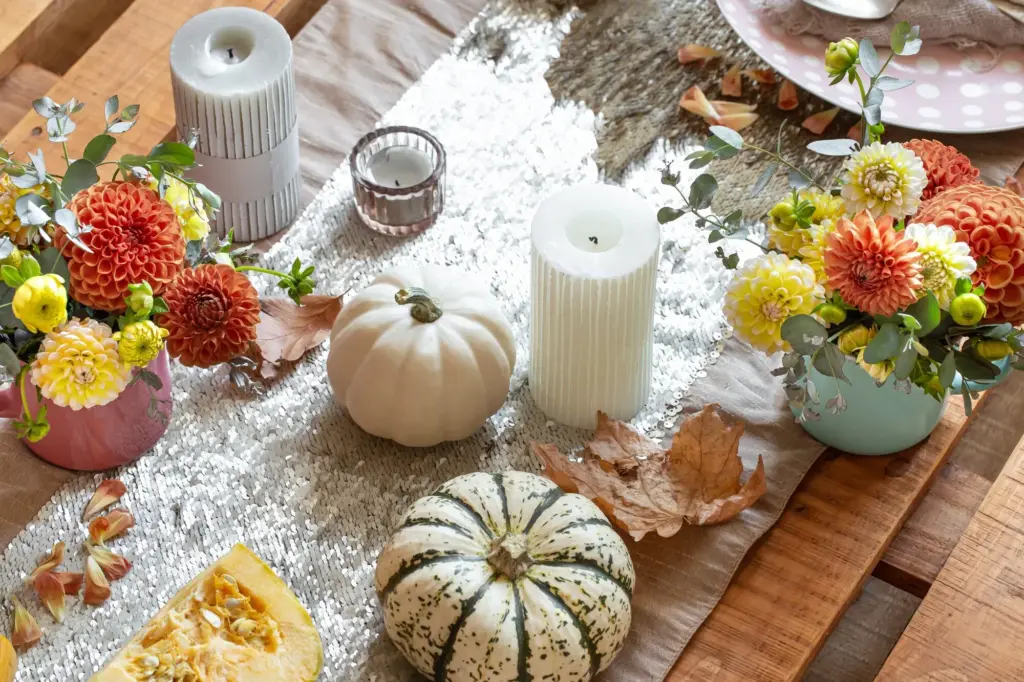
Decor invites textures—linen runners, paper place cards, dried oranges, cedar sprigs—but proximity to heat must be intentional. Reserve safe zones, choose flame‑retardant treatments where possible, and elevate flammables above heat paths. A little planning preserves artistry while making accidental contact, ember travel, or radiant scorching exceedingly unlikely.

Greenery That Plays Nicely with Firelight

Use fresh, moist foliage near the outer rim and dried elements farther out, separated by inert decorative stones. Avoid floating wisps over flames; gravity and heat will eventually reach them. Spritz fresh stems lightly, then pat dry, preventing drips while keeping cell walls resilient against ambient warmth.

Pets, Children, and Party Dynamics

Place displays beyond casual reach and route play zones elsewhere. Heavy bases resist curious paws, and wide footprints deter tipping during animated conversations. Assign a host buddy to glance at flames when you leave the room. Responsible rituals feel invisible to guests yet powerfully protective for everyone.

Checklists, Habits, and Hosting with Peace of Mind

A Simple Pre‑Light Ritual

Confirm surfaces are cool and clear, wicks trimmed, and snuffers placed. Open a discreet window, silence oscillating fans, and brief your co‑host. Light outer candles first, then inward, watching for unusual flickers. If anything startles your instincts, pause proudly; prevention is hospitality in its most generous form.

Active Supervision That Feels Natural

Every fifteen to twenty minutes, drift past with a friendly refill or a plate, scanning flame height, wall warmth, and guests’ sleeves. This gentle choreography doubles as gracious hosting. You protect art and conversation alike, proving attentiveness can be elegant, unobtrusive, and warmly appreciated by everyone nearby.

Cooling, Cleaning, and Storing with Care

After extinguishing, allow vessels to rest on the heat‑safe base until fully cool. Wipe rims, capture trimmed wicks for disposal, and record any tunneling or sooting. Store candles capped, upright, and away from sun. Next time’s layout will benefit from today’s notes and quietly earned wisdom.

Styling Magic That Honors Safety First

Safety rarely limits imagination; it frames it beautifully. Use color stories, reflective metals, and asymmetric spacing to choreograph glow without crowding. Mix real flames with unscented support tapers and a few battery companions between clusters. Invite feedback from friends; collaborative eyes catch risks and spark better artistry.
Zeramoriravozuno
Privacy Overview

This website uses cookies so that we can provide you with the best user experience possible. Cookie information is stored in your browser and performs functions such as recognising you when you return to our website and helping our team to understand which sections of the website you find most interesting and useful.