Walk gently, taking only what is abundant and never from protected habitats. Follow local guidelines, avoid pesticides, and respect seasonal rhythms that determine color, durability, and scent. A short dawn walk can yield seed heads and grasses that dry beautifully and tell the exact story of your place.
Fresh sprigs look vivid, yet moisture near flame invites smoke, sputter, and mold. Choose thoroughly dried botanicals, keep clear margins around heat, and place accents on holders, rings, or trays. The candle remains the hero light, while nature frames it safely with character and quiet detail.
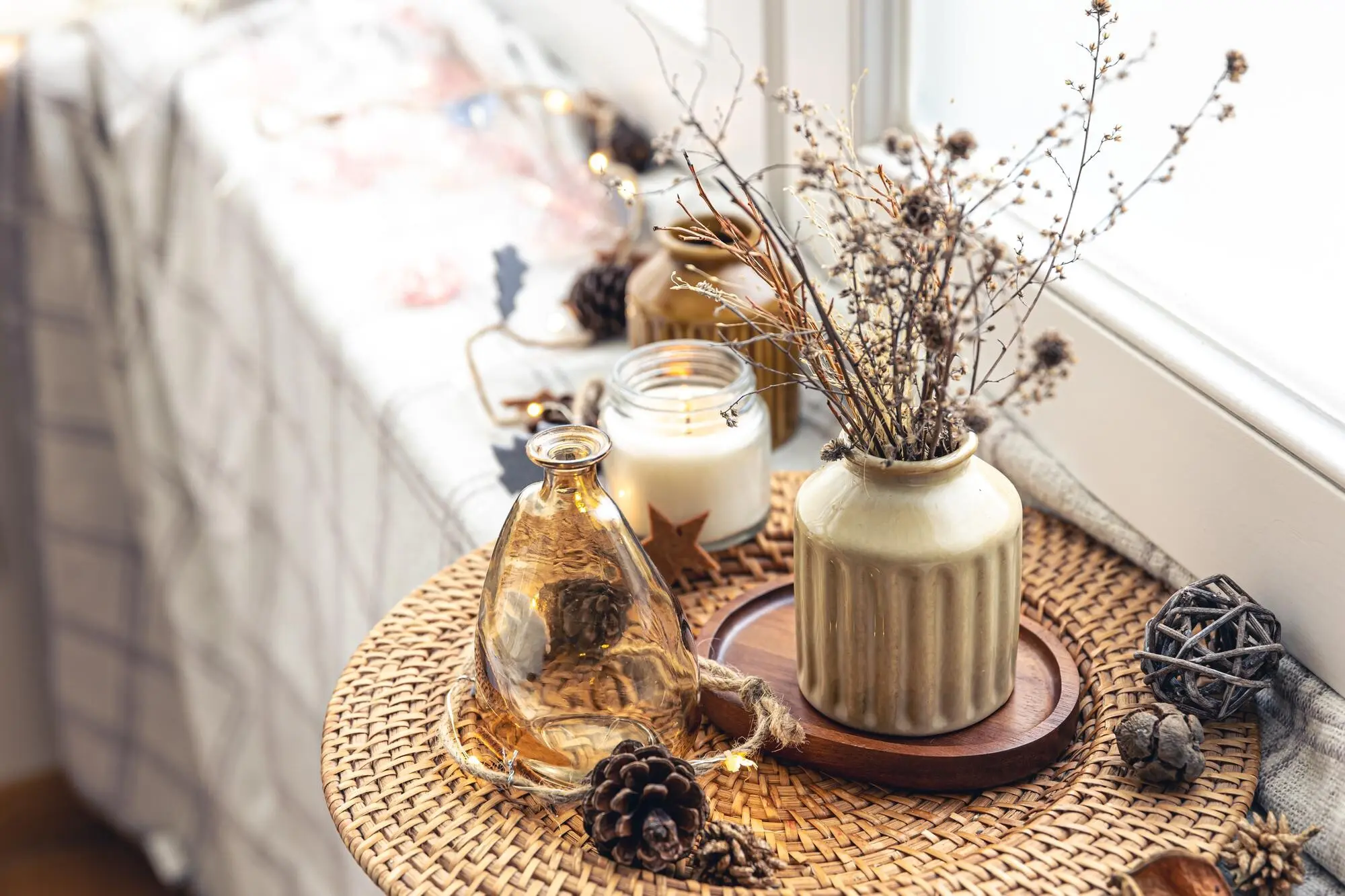
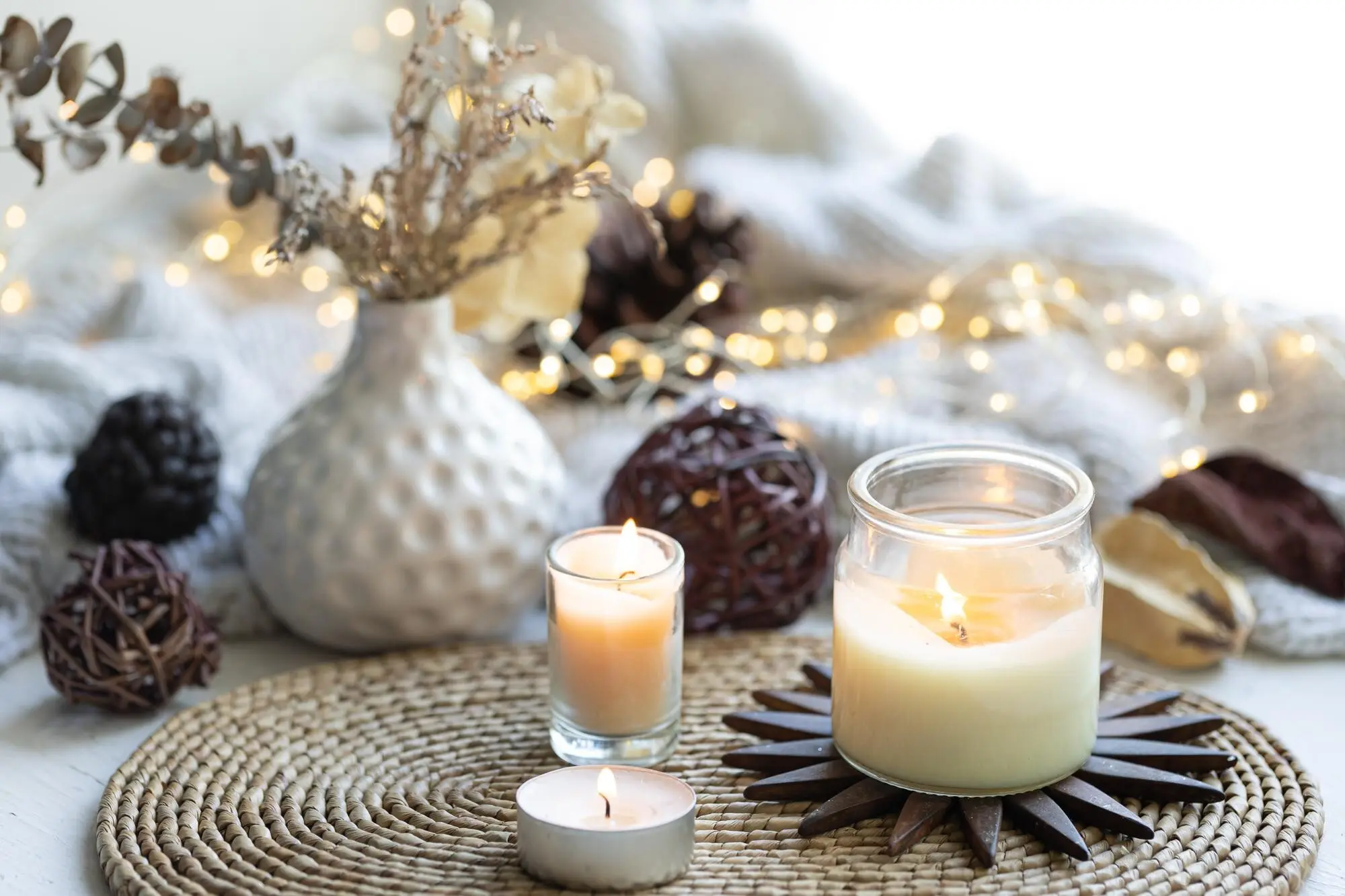
Build a tactile palette you can reach for instantly. Rattan, cork, jute, linen ribbon, pressed fern, lichen, driftwood, slate coasters, and unglazed clay each add unique sheen, density, and sound. Mixing soft fibers with sturdy mineral edges creates contrast that photographs beautifully and endures repeated gatherings.
Imagine the wick sitting on an invisible grid where intersections guide clusters of moss, pods, and ribbon tails. Off-centering the brightest accent leaves room for shadow play. This simple guideline prevents crowding, keeps heat paths clear, and gives photographs depth that flat, centered layouts often lose.
Place velvety sage against gleaming glass or polished brass to make both surfaces sing. The flame’s shimmer sharpens matte edges, while dull textures soften reflective glare. Contrast in finish, temperature, and scale creates tension that reads intentional, even when materials are humble, salvaged, or quietly imperfect.
Lines guide the story. Twine a vine so it gestures toward the match, let wood grain point to the pour spout, and angle seed sprays like fireworks. When viewers trace these flows, they relax, noticing glow, scent, and small botanical fingerprints with fuller attention.

Skip hot glue near wax or flame; use removable floral adhesive, discreet wire, or natural twine secured to bases, not containers. Maintain at least two inches of clearance around the wick, trim to a quarter inch, and test-burn, observing drafts, melt pool reach, and how accents respond.
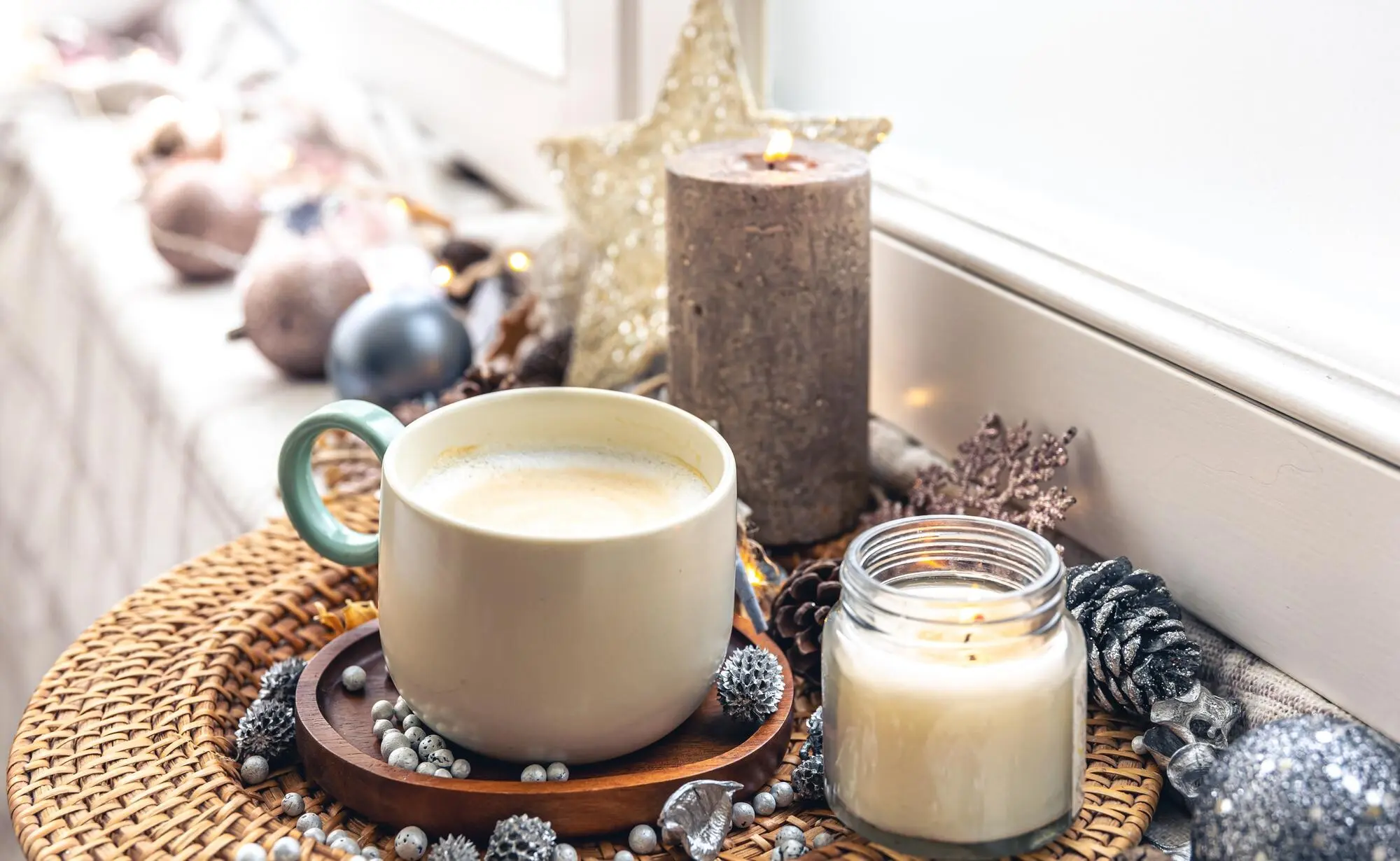
Air-dry flowers upside down, press leaves between uncoated paper, or desiccate blooms in silica for truer color. Seal with archival sprays or thin beeswax brushing to reduce shedding and UV fade. Labeled batches help you recall which pieces survived heat, light, and handling most gracefully.
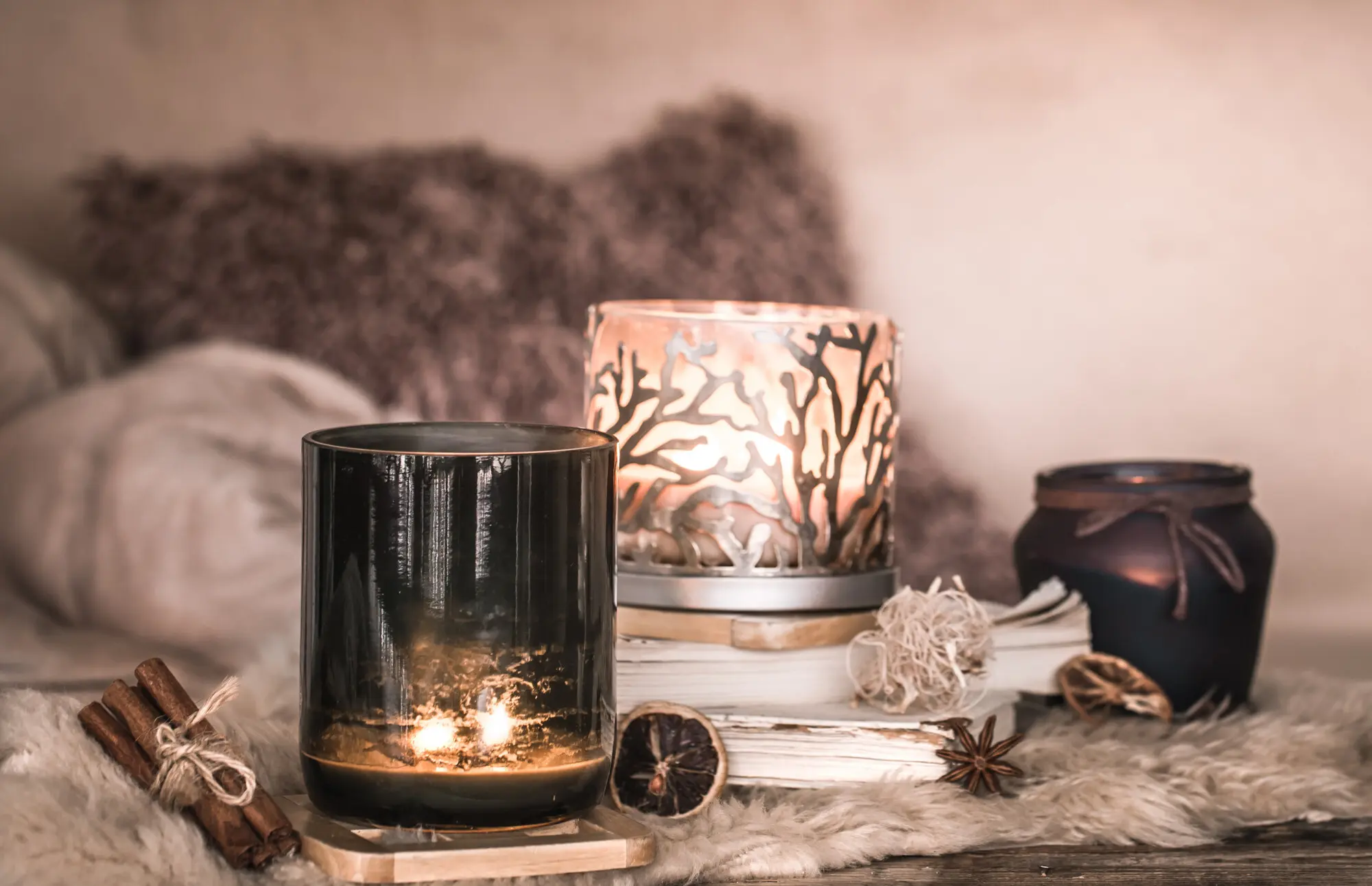
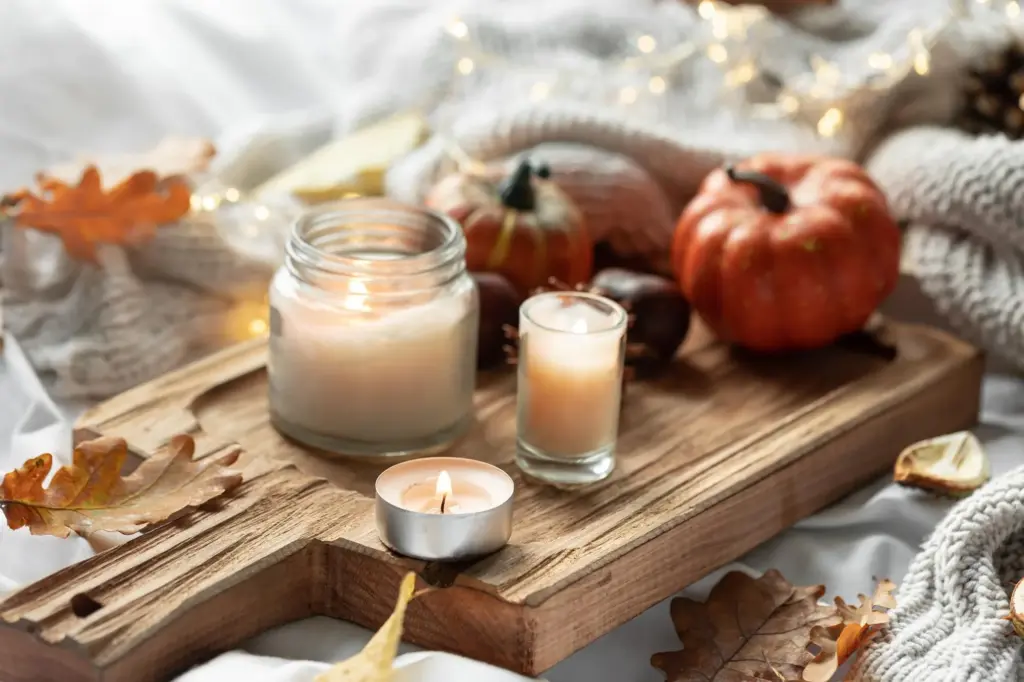
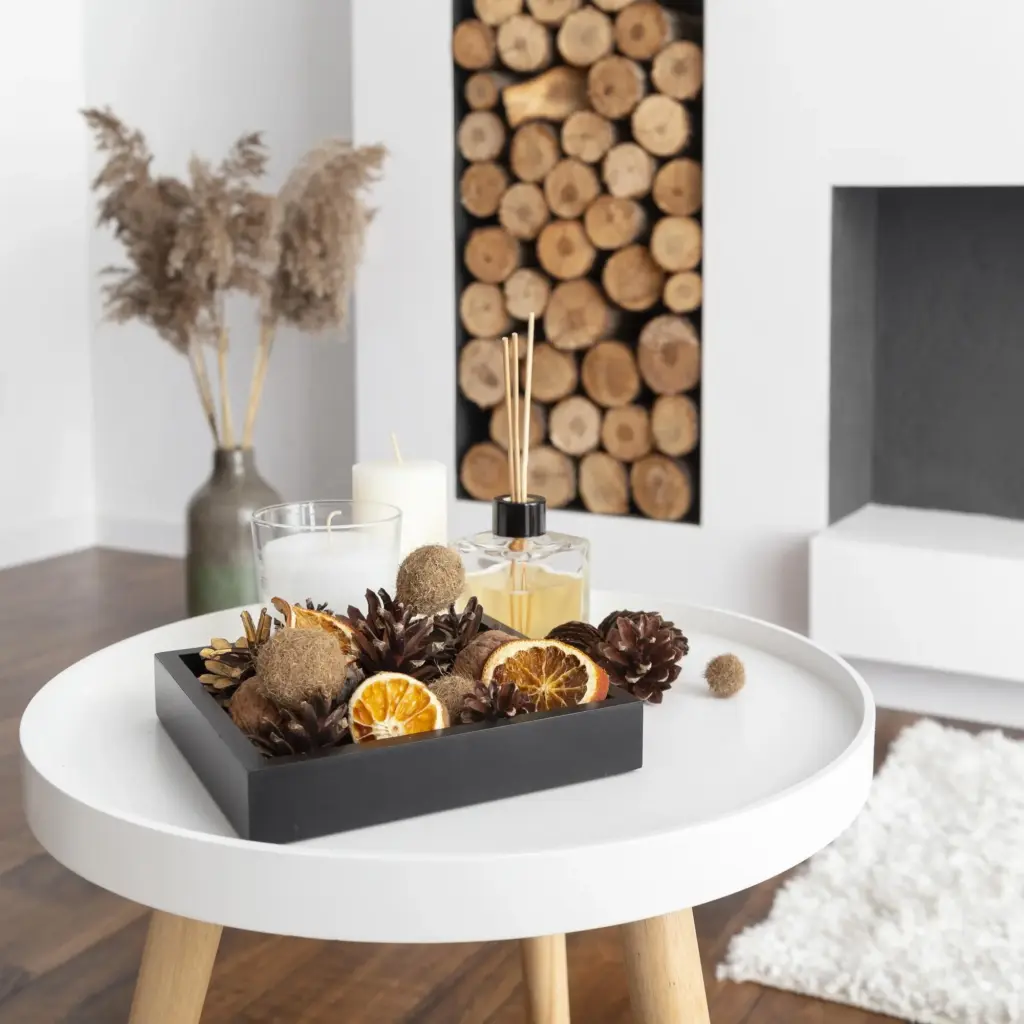
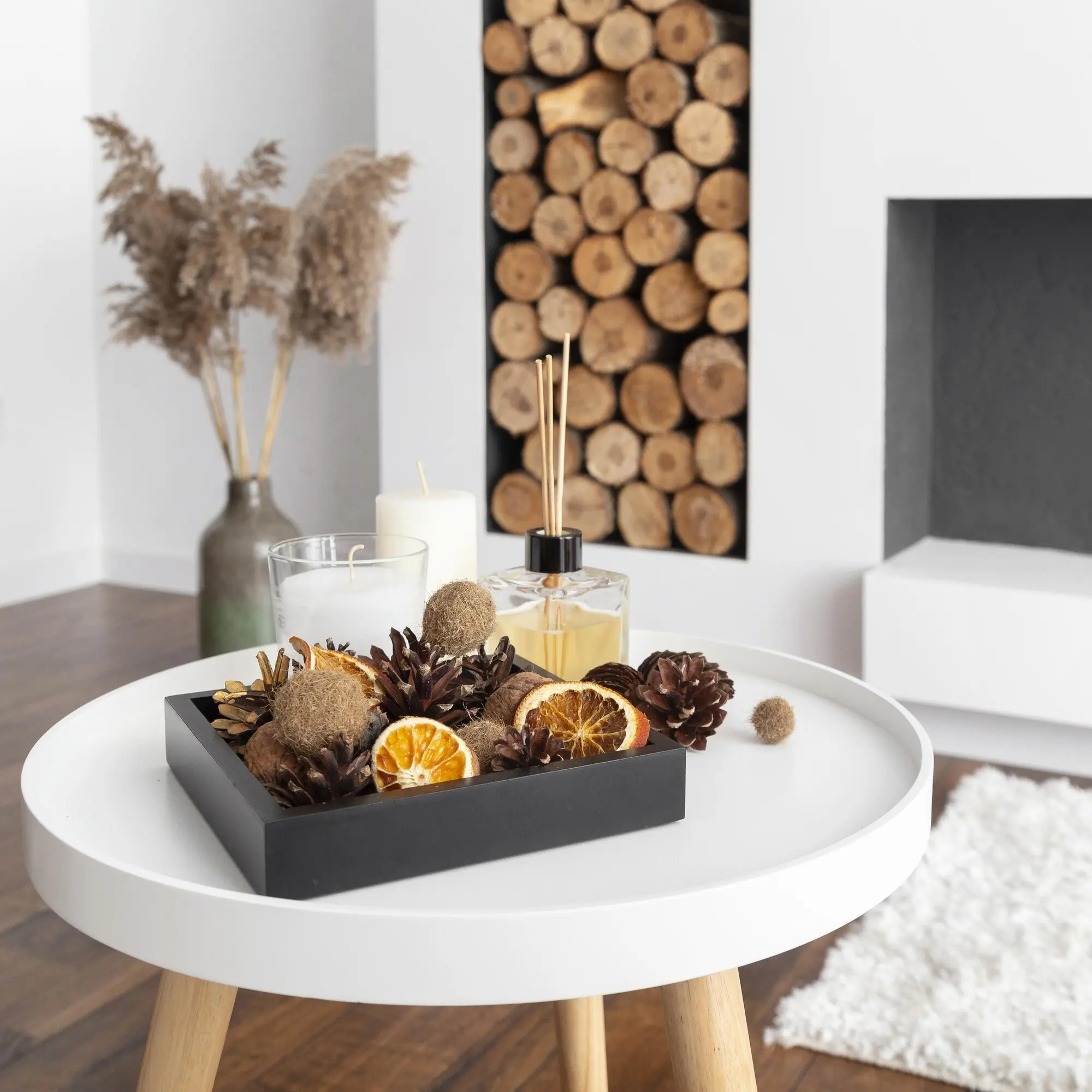
Design on trays, shallow bowls, or wooden rounds lined with cork, building removable clusters you can rotate between dinners. Swap a dried citrus chain for pinecones as seasons change, keeping your favorite vessel constant. This flexibility invites experimentation, cleaning ease, and less waste over a creative year.
All Rights Reserved.